
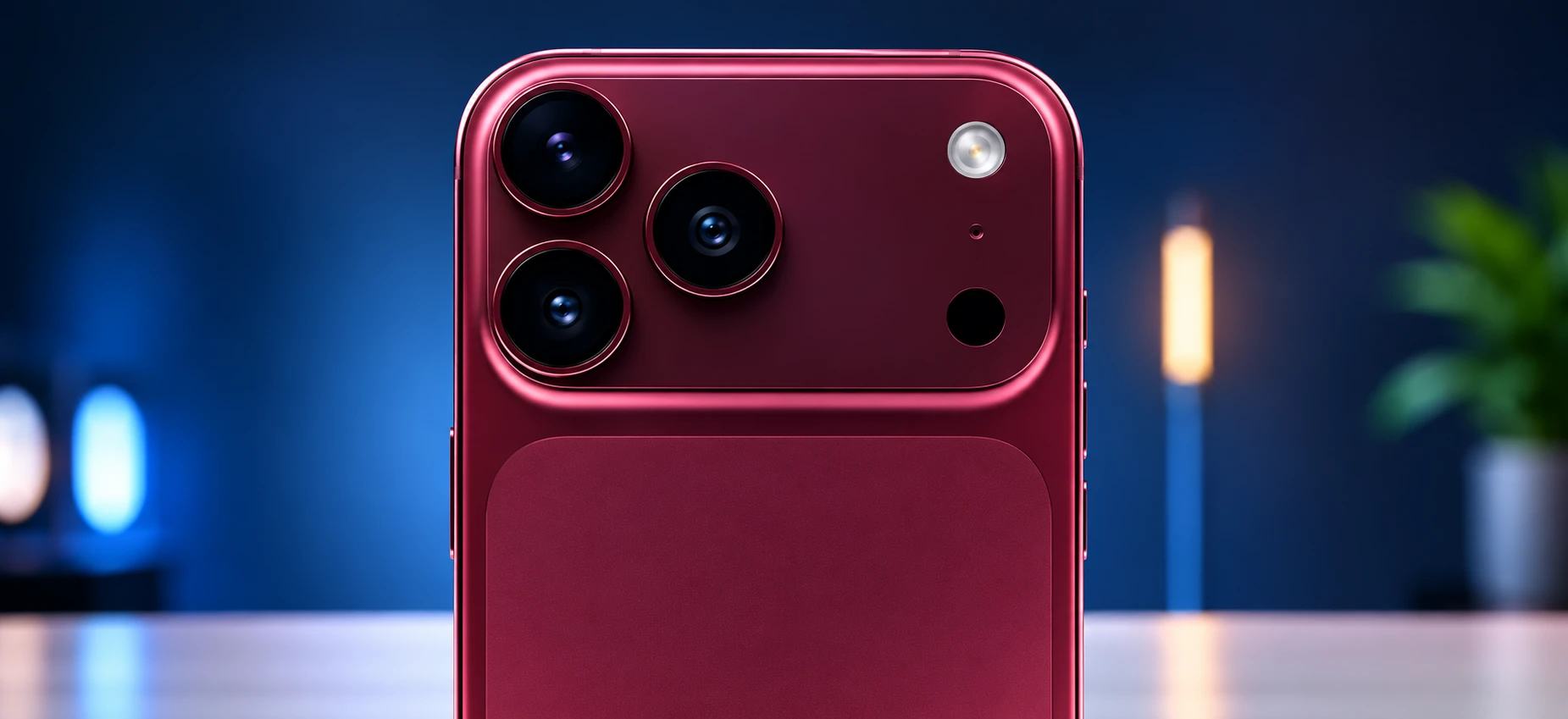
The Apple iPhone 18 Pro is not a radical departure from its predecessor, and that is immediately apparent when looking at its overall design and hardware. Apple has maintained much of the foundation established by the iPhone 17 Pro, concentrating instead on improvements to the processor, camera system, battery efficiency, charging speed and a few smaller design refinements. However, dismissing this phone as another minor annual upgrade would overlook some of the more important changes.
At the centre of the iPhone 18 Pro is Apple’s new 2nm A20 Pro processor, which delivers improvements in both processing power and energy efficiency. The camera system also introduces a variable aperture on the primary sensor, giving photographers greater control over depth of field and exposure. Meanwhile, battery life has taken another meaningful step forward, with the smaller iPhone 18 Pro reportedly matching the endurance previously associated with the larger iPhone 17 Pro Max.
These improvements do not necessarily make the iPhone 18 Pro an exciting upgrade for everyone, particularly those who already own the previous generation. Nevertheless, they demonstrate how Apple continues to refine its flagship smartphone. Rather than introducing an entirely new concept, the company is concentrating on making an already capable device better in areas that matter to everyday users and demanding smartphone enthusiasts.
Here is a closer look at what the iPhone 18 Pro brings to the table, where its improvements make a noticeable difference, and whether it deserves consideration as a flagship smartphone.
Design and Build Quality

The iPhone 18 Pro retains much of the design direction introduced with the iPhone 17 Pro. Rather than completely redesigning the device, Apple has concentrated on improving its internal hardware and refining certain exterior details.
This is consistent with the gradual development of the Pro iPhone lineup. Apple generally uses these models to deliver a polished flagship experience rather than experimenting with radical design changes every year. Consequently, the iPhone 18 Pro feels more like a refinement of an established design than a completely new smartphone.
The previous generation introduced several important physical changes, including a redesigned metal construction, a thicker chassis and a more substantial camera platform. These changes also created additional room for larger batteries, which contributed to the improved endurance of the iPhone 17 Pro series.
The iPhone 18 Pro builds on that foundation instead of abandoning it. Its physical design is not the primary reason to consider upgrading, but the familiar construction provides continuity for users who appreciate Apple’s established Pro design.
New Colour Options
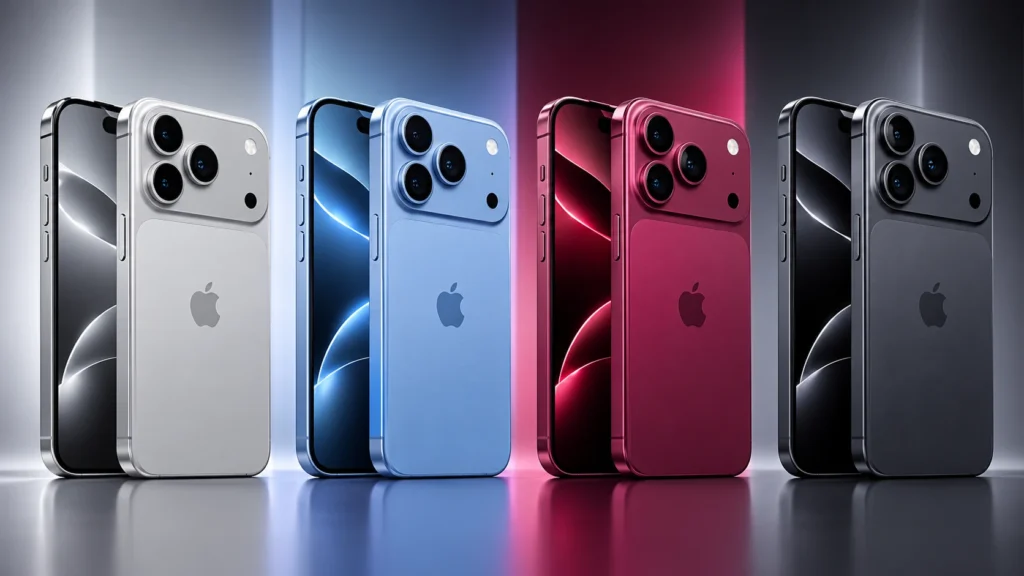
Apple has introduced several new colour options for the iPhone 18 Pro, including Burgundy, Glacier Blue and Matte Black.
Burgundy is the more distinctive option, offering a darker reddish appearance that gives the phone a noticeably different personality. However, colour preference is subjective, and this particular finish may not appeal to everyone.
Glacier Blue takes a different approach, featuring a lighter sky-blue appearance. It offers a more understated alternative for people who want something different without choosing a particularly dark or bold finish.
Matte Black is arguably the most traditional option of the three. Its darker appearance gives the device a clean, understated look, making it suitable for users who prefer a more conventional flagship finish.
One consideration with the Matte Black version is fingerprint visibility. Despite its matte appearance, the finish can show fingerprints more readily than expected. This is not a major functional problem, but people who prefer keeping their phones looking completely clean may need to wipe the back occasionally.
Overall, the new colour selection provides some welcome variety, although these cosmetic changes are unlikely to be a compelling upgrade reason on their own.
Display and Dynamic Island
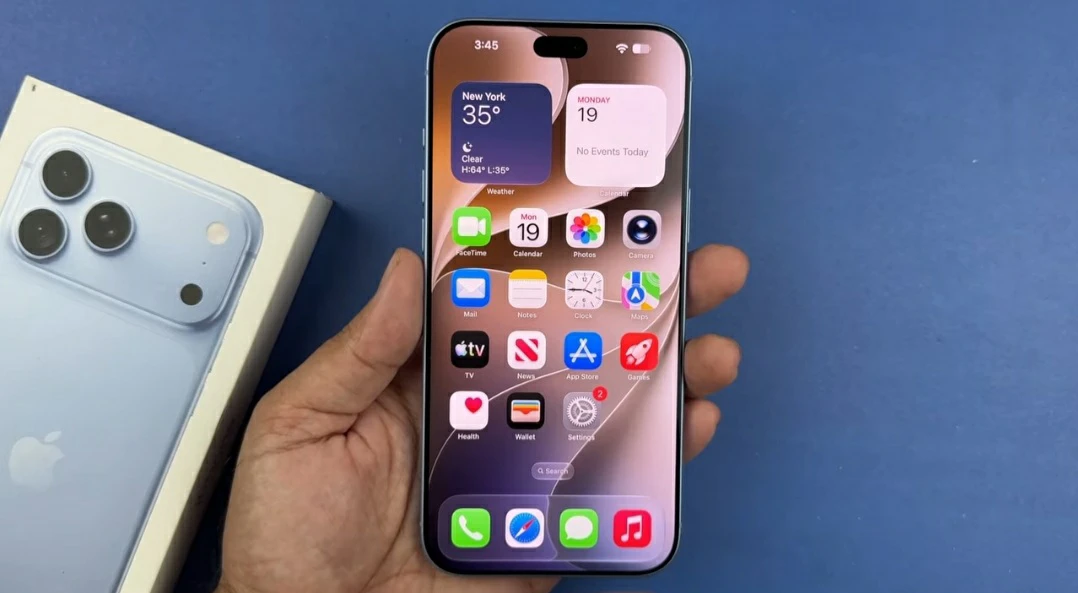
The iPhone 18 Pro continues to use the established Pro display design, with the most noticeable refinement involving the Dynamic Island.
Apple has managed to make the Dynamic Island slightly smaller for the first time through a change to the Face ID sensor arrangement. Instead of keeping the infrared sensor in its previous central position, Apple has relocated it to the upper-left corner beneath the display.
This is an interesting engineering decision because the infrared sensor does not require the same display transparency and pixel resolution as a conventional front-facing camera. Apple can therefore create a small area with reduced pixel density to allow infrared light to pass through the screen.
The implementation is designed to preserve Face ID functionality while reducing the visible space occupied by the front-facing sensor system.
In normal use, the relocated sensor is difficult to notice. It may become slightly visible under direct sunlight, where a faint circular area can occasionally be detected, but it is otherwise well concealed.
The smaller Dynamic Island also provides a little more usable space along the top of the display. One practical improvement is that the interface can now accommodate three Live Activities simultaneously instead of two.
This is a relatively small change, but it makes the display area slightly more useful for people who regularly monitor multiple background activities.
The display also builds on the improvements introduced with the previous generation, including its high brightness capability, which reaches up to 3,000 nits, PWM dimming and anti-reflective coating.
These technologies address different aspects of the viewing experience. High brightness helps maintain screen visibility in challenging outdoor lighting, while PWM dimming is intended to improve brightness control for users who are sensitive to certain display flickering effects. The anti-reflective coating also helps reduce distracting reflections when viewing the screen under bright lighting.
Although the iPhone 18 Pro does not introduce a completely new display experience, these refinements help maintain its position as a premium smartphone.
Camera System: Three 48MP Sensors With Variable Aperture
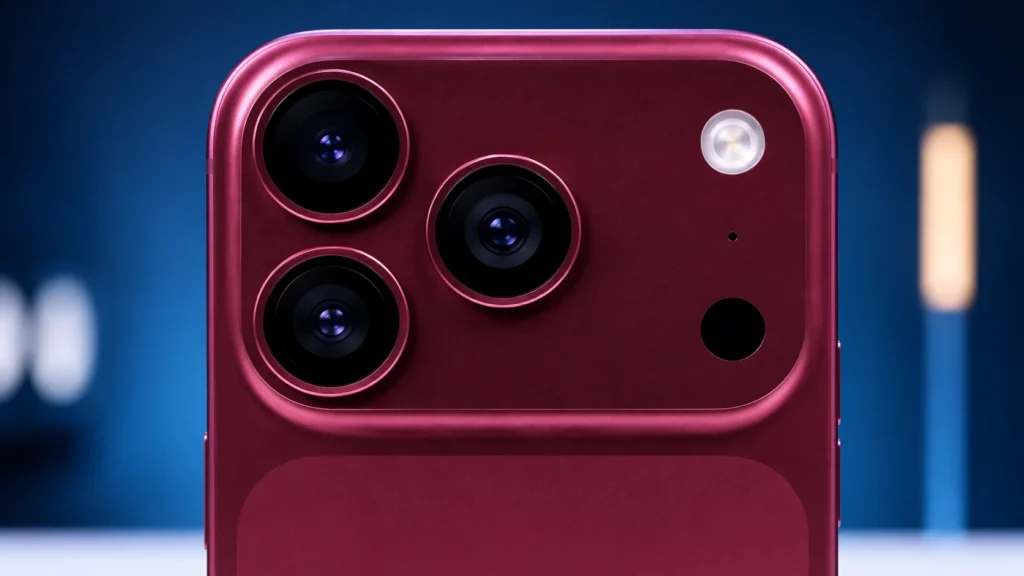
The camera system is one of the more interesting areas of the iPhone 18 Pro, particularly because Apple has introduced a variable aperture mechanism to the primary camera.
The phone retains a three-camera arrangement consisting of:
- 48MP primary camera.
- 48MP ultrawide camera.
- 48MP 4x telephoto camera.
On paper, this might not look particularly different from the previous generation. However, the primary camera now features a variable aperture lens, introducing additional control over how light enters the camera and how much of a scene remains in focus.
This is a meaningful development for people who enjoy photography and want more control over the appearance of their images.
48MP Primary Camera and Variable Aperture
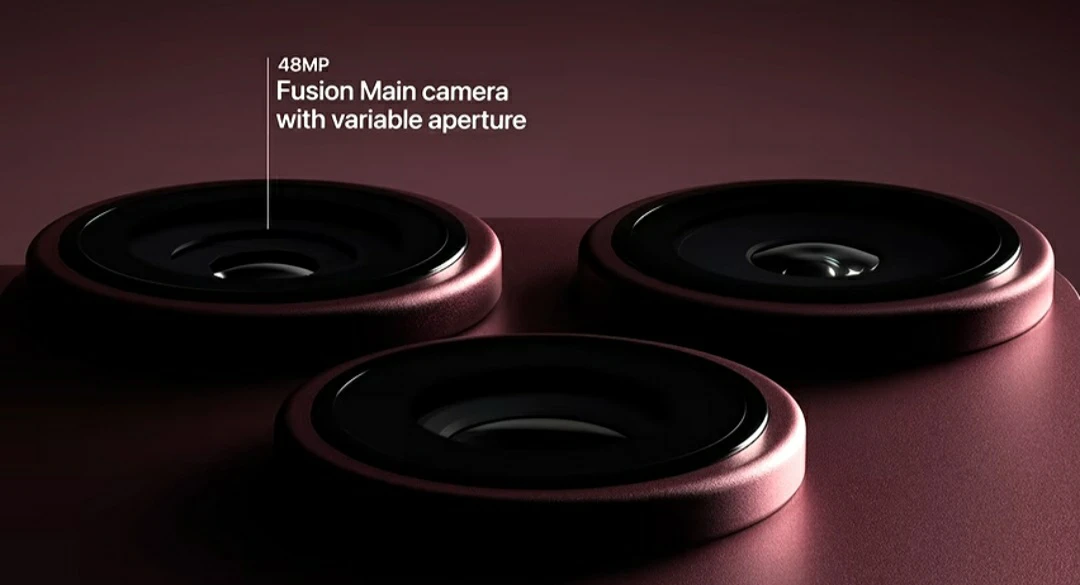
The main camera is where the most significant hardware change takes place.
Traditional smartphone cameras generally use fixed-aperture lenses. This means the physical opening through which light enters the camera remains the same size during photography.
Aperture is expressed using an f-number, such as f/1.8, f/2.0 or f/2.2. The lower the number, the wider the aperture and the more light the lens can allow through to the image sensor.
A wider aperture is particularly useful in low-light conditions because it allows the camera to capture more light. It can also produce a shallower depth of field, making the subject appear more separated from the background.
However, a wider aperture is not always ideal.
When photographing something close to the camera, an extremely shallow depth of field can leave parts of the subject outside the focus area. This can make it difficult to capture an entire object sharply, especially when photographing small objects or detailed subjects at close range.
A narrower aperture helps address this limitation by increasing the depth of field, allowing more of the scene to remain in focus.
The iPhone 18 Pro introduces a variable aperture that can open to f/1.48 and stop down through several stages, including f/1.8, f/2.8 and f/4.
This gives photographers more flexibility when deciding how an image should look.
At f/1.48, the camera allows more light to reach the sensor, which can be particularly useful in darker environments. The increased light intake can also help the camera use faster shutter speeds, making it easier to freeze movement and potentially reducing the amount of image noise associated with higher ISO settings.
At f/4, less light enters the sensor, but a greater portion of the scene remains in focus. This can be useful for product photography, close-up shots and situations where keeping more of the subject sharp is important.
The difference between the widest and narrowest aperture settings is visible, although it is relatively subtle with the current camera sensor.
For example, photographs captured at f/1.48 have a shallower depth of field, while images taken at f/4 retain more background detail and keep a larger area in focus.
This is not necessarily the kind of improvement that will make every photograph look dramatically different. Instead, it provides another creative control that photographers can use when a particular situation calls for it.
Third-party camera applications are also expected to support more granular aperture adjustments, allowing users to move smoothly through the available range rather than relying exclusively on Apple’s preset stages.
Why Variable Aperture Matters for Future Smartphone Cameras
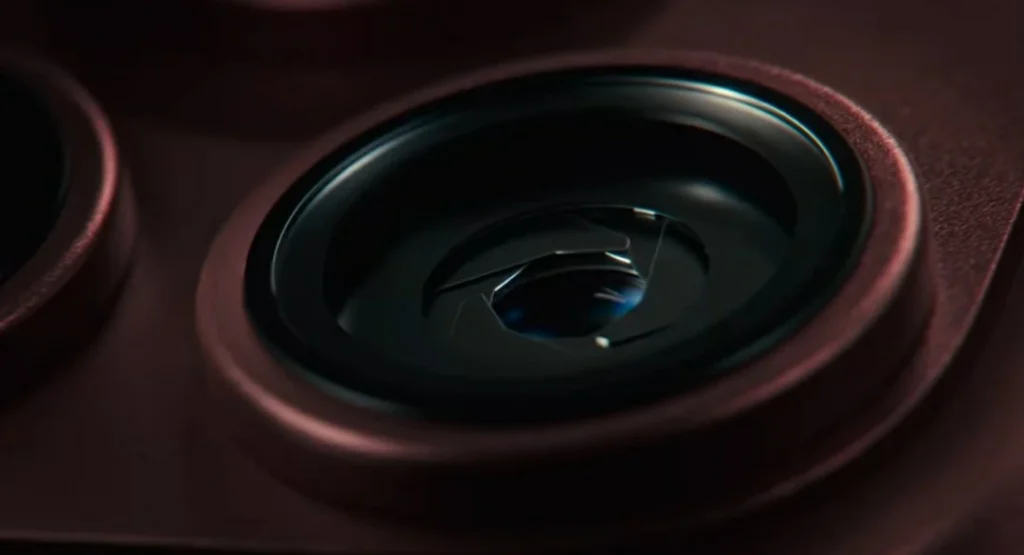
One of the most interesting aspects of Apple’s variable aperture technology is its potential as smartphone camera sensors become larger.
The feature’s benefits are relatively subtle on the iPhone 18 Pro’s current camera system. However, larger image sensors naturally produce a shallower depth of field, particularly when photographing subjects at close distances.
Some smartphones with very large 1-inch-type camera sensors can produce images with extremely blurred backgrounds. While this can create attractive portraits and artistic photographs, it can also become inconvenient when photographing objects that need to remain entirely in focus.
For example, when taking a close-up photograph of a product, a shallow depth of field may leave some portions of the object blurry even when the camera is focused correctly on another area.
Autofocus can also become more demanding when the usable focus area is extremely narrow.
A variable aperture could help address these situations by allowing photographers to reduce the aperture opening and increase the area that remains sharp.
This makes the technology particularly interesting beyond its immediate implementation in the iPhone 18 Pro. If Apple continues developing it alongside larger camera sensors in future generations, variable aperture could become a considerably more important photography feature.
More Creative Photography Options
The variable aperture also introduces additional creative possibilities beyond controlling background blur and exposure.
The iPhone 18 Pro’s aperture mechanism uses six blades. Because these blades do not create a perfectly circular opening when the aperture is stopped down, point light sources can produce distinctive starburst patterns in photographs.
This can be useful for creative night photography, particularly when capturing streetlights, vehicle lights and other bright objects against darker backgrounds.
It is a relatively specialised effect, but it demonstrates how the variable aperture gives photographers additional ways to influence the final appearance of an image.
In automatic mode, the camera generally favours the wider aperture settings, particularly f/1.48 and f/1.8. This makes sense because the wider openings allow more light into the sensor.
The automatic system does not appear to make extensive use of the narrower aperture settings, meaning users who want to take full advantage of the feature may need to adjust it manually.
Ultimately, the variable aperture is not a revolutionary improvement to everyday smartphone photography, but it is a welcome addition for people who want greater creative control.
48MP Ultrawide Camera
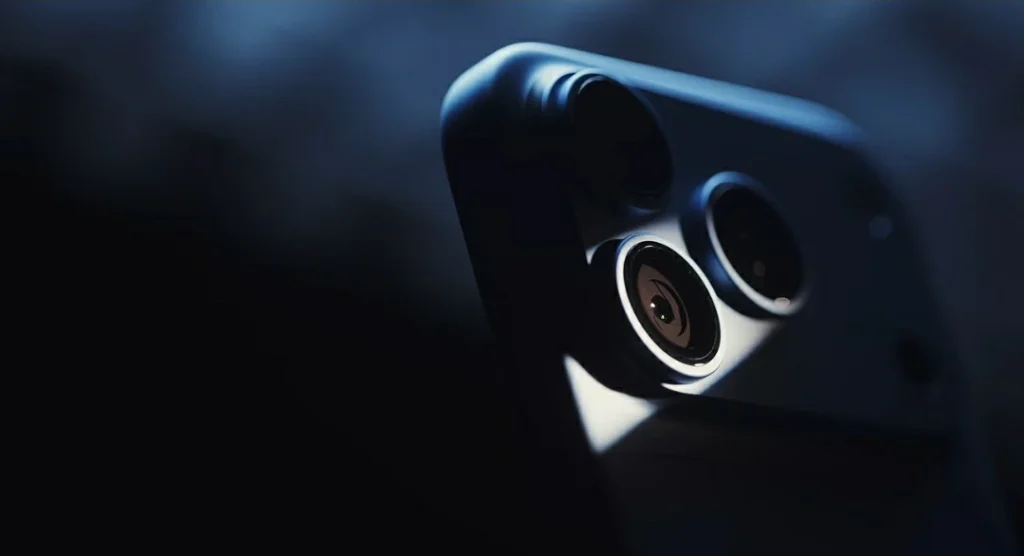
The iPhone 18 Pro also retains its 48MP ultrawide camera.
An ultrawide camera is useful when the primary camera cannot capture enough of a scene from the available shooting position. It allows users to photograph wider landscapes, architecture, group pictures and other subjects where fitting more into the frame is important.
Having a 48MP sensor also provides a high-resolution foundation for capturing detailed images.
There is no major hardware redesign of the ultrawide camera highlighted in this generation, so its role remains largely consistent with the previous Pro model.
Nevertheless, its inclusion alongside the primary and telephoto cameras gives the iPhone 18 Pro a versatile photography setup suitable for different shooting situations.
48MP 4x Telephoto Camera
The third camera is a 48MP telephoto sensor with 4x optical zoom.
Unlike the primary camera, which is designed for general photography, the telephoto camera is intended for subjects that are farther away.
The 4x optical zoom allows users to photograph distant objects without relying entirely on digital cropping. This is useful for portraits, outdoor photography, architecture and situations where moving physically closer to the subject is not practical.
Its 48MP resolution also provides considerable detail for photographs captured through the telephoto lens.
The combination of the three cameras gives the iPhone 18 Pro a flexible camera system covering standard, ultrawide and zoom photography.
Camera App: More Professional Controls
Beyond the physical camera hardware, Apple has also made meaningful improvements to the stock Camera application.
In fact, these software changes could be more important to the everyday photography experience than some of the hardware upgrades.
For years, Apple’s camera interface has prioritised simplicity. This approach works well for ordinary users who want to point their phones at something and take a photograph without adjusting multiple settings.
However, it has also limited the flexibility available to people who want more control over their photography.
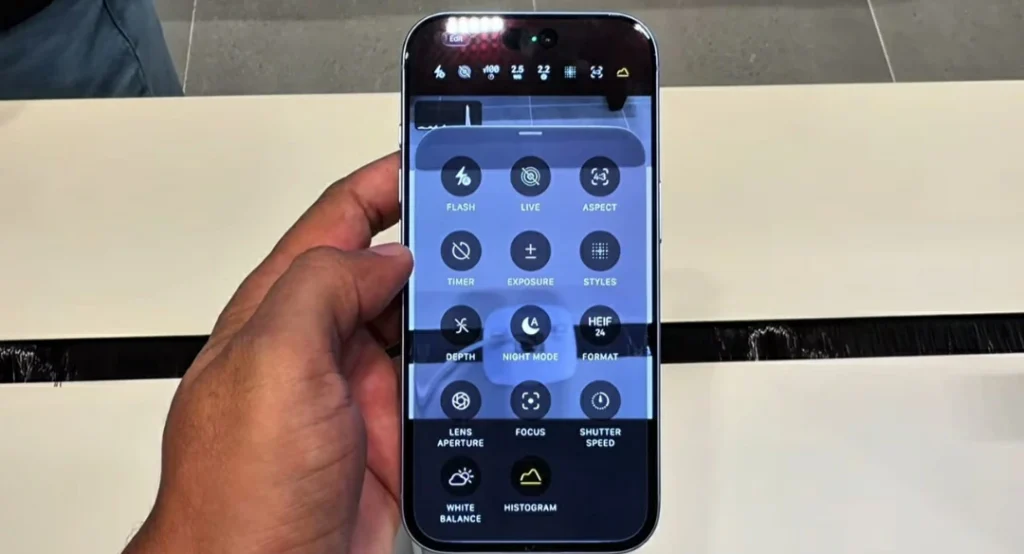
The iPhone 18 Pro addresses this by introducing more granular professional controls within the native Camera application.
Users can hold down the camera control bar and customise which settings appear, including the order in which they are displayed.
Available controls include:
- Shutter speed.
- Image format.
- Manual focus.
- Manual white balance.
The addition of manual white balance is particularly welcome.
White balance determines how the camera interprets the colour temperature of the lighting in a scene. Different light sources can make photographs appear warmer or cooler, and automatic white balance does not always produce the exact colour appearance a photographer wants.
With manual white balance, users can take greater control over colour consistency, particularly when photographing several subjects under the same lighting conditions.
Manual focus is another useful addition for people who want precise control over the area of an image that appears sharp.
Shutter speed controls also provide greater flexibility when capturing movement, allowing photographers to make deliberate adjustments depending on whether they want to freeze action or introduce motion blur.
These features make the standard Camera application considerably more useful for enthusiasts who previously depended on third-party camera applications to access more advanced controls.
Apple has effectively made the Pro models more deserving of their professional positioning by providing software tools that take better advantage of their hardware.
Improvements Still Needed for Professional Video
Despite the additional camera controls, there are still areas where Apple’s professional video experience could improve.
One important feature would be a Rec. 709 preview when recording Log video.
Log recording preserves a wider range of image information for professional colour grading, but the footage appears relatively flat before colour correction.
A Rec. 709 preview would allow users to see a more conventional representation of the footage while recording, making it easier to judge exposure without relying entirely on the flat Log image.
Another requested improvement is native 8K video recording.
The primary camera’s 48MP sensor has sufficient resolution to make 8K recording an interesting possibility, particularly for creators who want more flexibility when cropping and editing footage.
An 8K recording option at 30fps would be a useful addition for people producing high-resolution video content.
Apple has also introduced a storage limit setting for ProRes footage in iOS 27, allowing users to control how much storage space these recordings can consume.
This is a useful development because professional video files can occupy substantial amounts of internal storage.
However, the addition of a storage management option also makes the absence of 8K recording more noticeable for people who want to use the iPhone as a serious video production device.
Performance: Apple’s New 2nm A20 Pro Chip
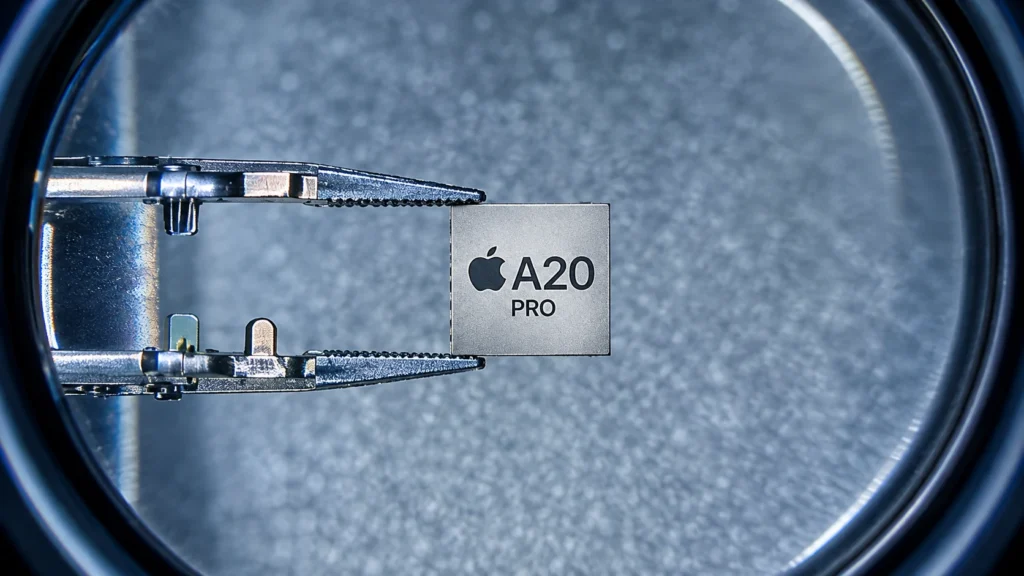
The iPhone 18 Pro and iPhone 18 Pro Max are powered by Apple’s new A20 Pro processor, manufactured using a 2nm process.
This is one of the most important upgrades in the entire device.
Chip manufacturing technology has a significant influence on smartphone performance, power consumption and heat generation. Moving to a smaller manufacturing process generally allows manufacturers to fit more transistors into a given area while improving the efficiency of the processor.
The A20 Pro benefits from this transition, delivering improvements in processing performance alongside better energy efficiency.
This combination is particularly important because smartphone upgrades often involve a trade-off between power and battery consumption.
A faster processor may provide better performance, but it can also consume more energy when operating at higher speeds. Similarly, a more efficient processor may improve battery life without necessarily delivering a major increase in processing capability.
The A20 Pro is interesting because it improves both areas.
Rather than concentrating exclusively on benchmark performance, Apple appears to have made significant progress in ensuring that the additional processing power does not come at the expense of battery endurance.
For everyday users, this means the phone should remain responsive when opening applications, switching between tasks, browsing the web and handling demanding workloads.
However, these basic activities are already handled very well by previous generations of flagship iPhones. The more meaningful improvements become apparent when the processor is subjected to heavier workloads.
Faster Video Processing and Exporting
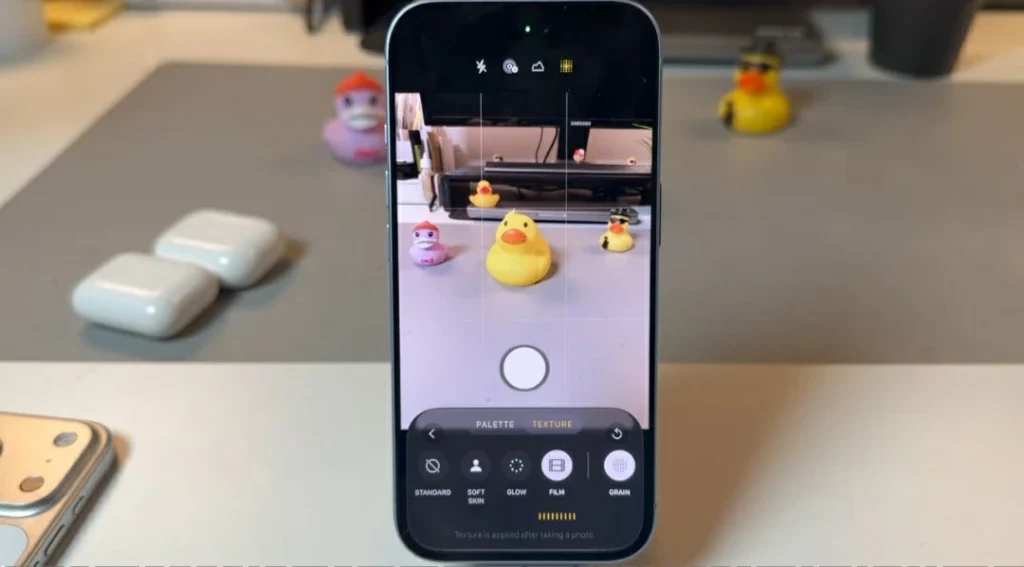
The A20 Pro brings improvements to demanding creative tasks, including video exporting and image processing.
Applications that handle large video files, complex edits and intensive image processing can benefit from additional processing power.
This is particularly relevant for users who regularly work with high-resolution footage on their smartphones.
Exporting videos is significantly faster, while image processing also benefits from the additional performance.
These improvements make the iPhone 18 Pro more suitable for people who use their smartphones as production tools rather than simply as communication and entertainment devices.
Gaming and Sustained Performance

Gaming is another area where the A20 Pro’s performance and improved cooling system become relevant.
Modern mobile games can place considerable pressure on a smartphone’s processor and graphics hardware, particularly when played at high settings over extended periods.
A powerful processor is important, but maintaining that performance is equally important.
Some smartphones can deliver excellent performance during short gaming sessions but reduce their processing speeds when temperatures increase.
The iPhone 18 Pro addresses this challenge through a redesigned internal cooling arrangement.
This should help the phone maintain more consistent performance during demanding activities, including extended gaming sessions.
For casual gaming, the improvements may not be particularly noticeable because modern flagship iPhones already offer more than enough processing power for most mobile games.
However, people who regularly play demanding titles or use their phones for extended gaming sessions should benefit more from the additional thermal headroom.
Improved Cooling System and Vapor Chamber
One of the important internal changes in the iPhone 18 Pro is its redesigned thermal management system.
Apple has introduced a vapor chamber with approximately three times the surface area of the previous arrangement.
This is designed to improve how heat moves away from the processor and spreads across the internal structure of the smartphone.
Interestingly, Apple has also changed the positioning of the DRAM memory.
Instead of stacking the memory directly on the CPU as before, the company has moved it alongside the processor while keeping it physically close.
This arrangement creates additional room for the larger vapor chamber directly above the CPU.
The resulting cooling system should help the processor operate more effectively under sustained workloads.
This is particularly important when recording high-resolution video outdoors, where the phone may already be exposed to elevated environmental temperatures.
Video recording can place considerable pressure on a smartphone because the camera sensors, image processing hardware and processor must work continuously.
When the device becomes too hot, thermal management systems may reduce performance or interrupt demanding activities to control temperatures.
The larger vapor chamber is intended to reduce this problem by improving heat dissipation.
It should also benefit people who play demanding games for long periods or regularly perform intensive editing and exporting tasks.
The important distinction is that the A20 Pro is not simply about delivering higher peak performance. The improved cooling system helps the phone sustain its performance more effectively when the workload continues for an extended period.
Neural Engine and On-Device AI Performance
Artificial intelligence processing is another area where the A20 Pro introduces a meaningful improvement.
Apple has doubled the performance capability of its Neural Engine, strengthening the phone’s ability to handle supported AI-related tasks.
This is important because some smartphone AI features rely on cloud processing, while others are designed to operate directly on the device.
On-device processing can offer advantages in responsiveness and reduce the need to send certain requests to external servers.
Siri is one example where the improved processing capability becomes relevant.
Although Siri has been available on iPhones for years, its responsiveness has not always been consistent, particularly when handling more demanding requests.
Even some relatively recent iPhones have struggled to deliver the kind of responsiveness expected from a modern voice assistant.
The A20 Pro’s improved Neural Engine helps supported Siri operations run considerably faster when they are processed locally.
This is a welcome improvement because AI features are becoming an increasingly important part of the smartphone experience.
As Apple continues developing its software intelligence capabilities, having more powerful on-device hardware should provide a stronger foundation for future features.
Battery Life: A Major Improvement
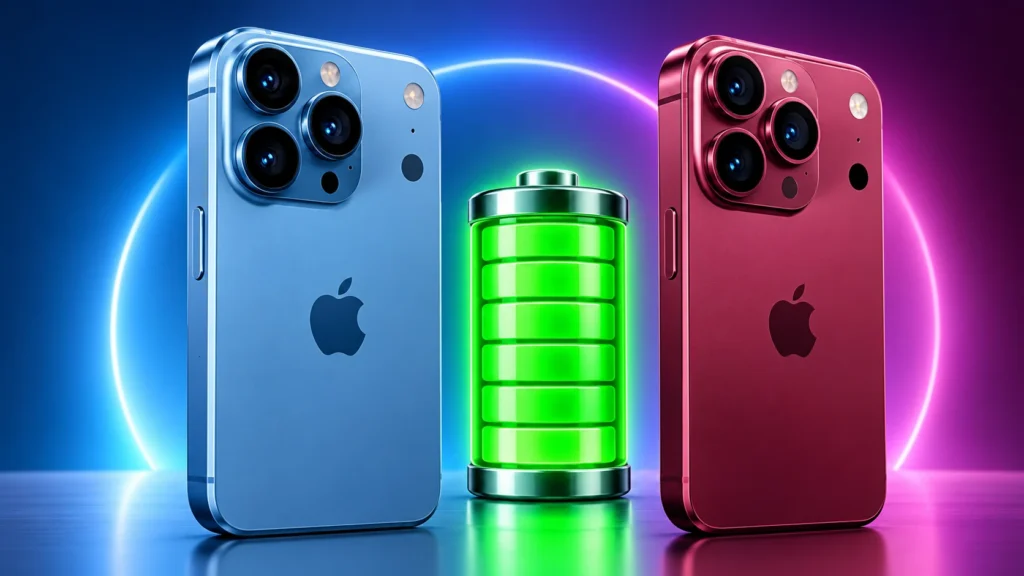
Battery life is arguably one of the strongest reasons to consider the iPhone 18 Pro.
Apple has made significant improvements to battery endurance, with the company positioning the new Pro models as offering the longest battery life ever available on an iPhone.
The interesting part is that the improvement is not primarily the result of installing a dramatically larger battery in the smaller Pro model.
Instead, much of the progress comes from the improved efficiency of the A20 Pro processor and other internal components.
The previous iPhone 17 Pro already benefited from a thicker chassis and a larger battery than earlier Pro models. This allowed Apple to prioritise battery capacity without being as restricted by the thinner design approach used on some other iPhones.
The iPhone 18 Pro continues that direction, but its improved efficiency takes things further.
Real-World Battery Endurance
One particularly impressive aspect of the smaller iPhone 18 Pro is that its battery endurance is comparable to what users previously expected from the iPhone 17 Pro Max.
This is a substantial improvement for people who prefer smaller smartphones but do not want to sacrifice battery life.
The smaller model can comfortably last approximately a day and a half under demanding usage, with the possibility of reaching two days when used more lightly.
This is especially noteworthy because the battery is not dramatically larger than the previous generation’s battery.
The endurance improvement is therefore largely associated with the efficiency gains of the 2nm A20 Pro architecture.
For people who regularly use their phones for photography, navigation, communication, browsing and entertainment, improved efficiency can make a noticeable difference.
High screen brightness, camera usage and extended navigation sessions can all consume considerable power.
Being able to get through a full day and continue into the following day without immediately needing a charger is a significant convenience.
It also makes the smaller Pro model a more attractive option for people who previously felt that they needed the larger Pro Max primarily for its battery capacity.
iPhone 18 Pro Max Battery Capacity
The iPhone 18 Pro Max receives an additional battery capacity improvement over its predecessor.
Its battery is approximately 10% larger than the previous generation’s, bringing its estimated capacity to around 5,500mAh for the eSIM-only version.
For the European version with a physical SIM card tray, the reported battery capacity is 5,391mAh.
The smaller iPhone 18 Pro has a reported capacity of 4,056mAh in the European version.
These figures are useful because Apple does not always prominently disclose the actual milliamp-hour capacities of its smartphone batteries during product announcements.
The difference between regional versions is also worth considering, particularly because physical SIM hardware and eSIM-only configurations can have different internal space requirements.
Regardless of the precise regional capacity, the combination of larger batteries in the Pro Max and improved processor efficiency should provide excellent endurance across the lineup.
Charging Speed: Faster Wired Charging
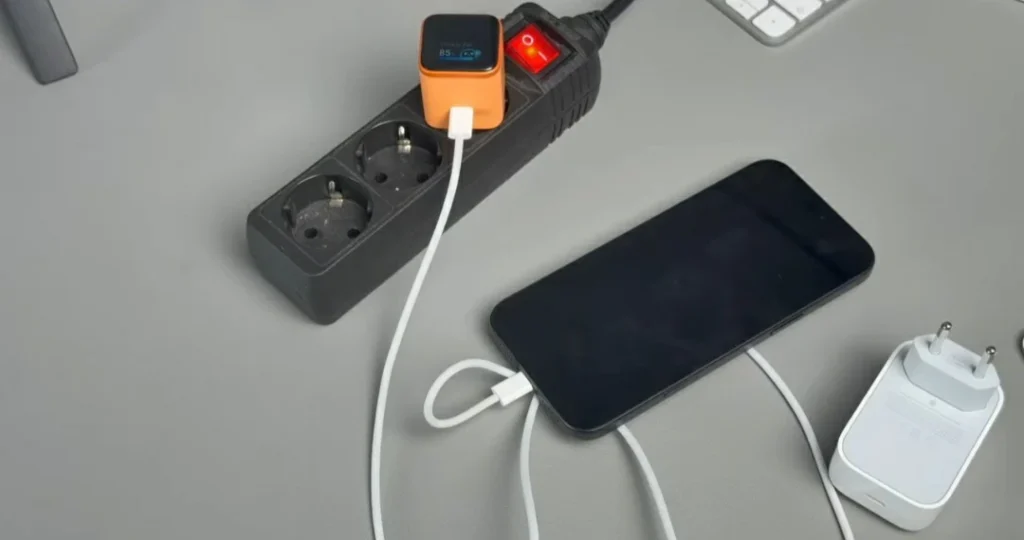
Battery capacity and endurance are important, but charging speed also determines how convenient a smartphone is to use.
Apple has improved wired charging on the iPhone 18 Pro, and this is one of the more practical upgrades over the previous generation.
During charging tests, the phone was connected to a 67W charger and reached approximately 45W of power draw for a sustained period.
This represents a meaningful improvement in charging capability.
The higher charging rate allows the battery to recover more power in a shorter period, which is particularly useful when the phone has been heavily used and needs a quick top-up.
Apple’s stated charging capability suggests that five minutes of wired charging can provide approximately seven hours of video playback.
This makes the faster charging system particularly useful for people who frequently find themselves with limited time to recharge their devices.
For example, a short charging session before leaving home could provide enough additional battery capacity for several hours of use.
It is worth remembering that actual charging speeds depend on factors such as the charger, cable, battery temperature and current battery level. Charging also typically slows as the battery approaches full capacity.
Nevertheless, the higher power draw represents a welcome improvement.
Connectivity and the New C2 Modem
The iPhone 18 Pro also introduces Apple’s new C2 modem.
The modem is responsible for cellular communication, including the phone’s connection to mobile networks.
An improved modem can contribute to better connectivity and potentially reduce power consumption during cellular communication.
This is particularly relevant because mobile network activity can have a noticeable effect on battery life, especially when a phone operates in areas with weaker signal strength.
The C2 modem is therefore another component that may contribute to the overall efficiency improvements of the iPhone 18 Pro.
While the A20 Pro is responsible for much of the performance and efficiency progress, the modem helps complete the broader hardware improvements.
Software Experience and iOS 27
The iPhone 18 Pro runs Apple’s iOS 27, continuing the company’s approach of integrating hardware and software into a unified smartphone experience.
One of the more noticeable software-related improvements is the expanded professional control available through the Camera application.
The ability to customise camera controls, adjust shutter speed, manually focus and control white balance makes the operating system more useful for photography enthusiasts.
The software also introduces a storage management option for ProRes video recordings.
This allows users to establish a maximum amount of storage that ProRes footage can consume, helping prevent large video files from unexpectedly filling the phone’s internal storage.
This is particularly useful for people who regularly record professional-quality footage.
The improved Neural Engine also provides additional processing capacity for supported AI features and on-device Siri operations.
Together, these changes demonstrate that Apple’s improvements are not limited to the physical hardware. The company is also making the software experience more suitable for users who want to take advantage of the Pro model’s advanced capabilities.
iPhone 18 Pro vs iPhone 17 Pro: What Has Changed?
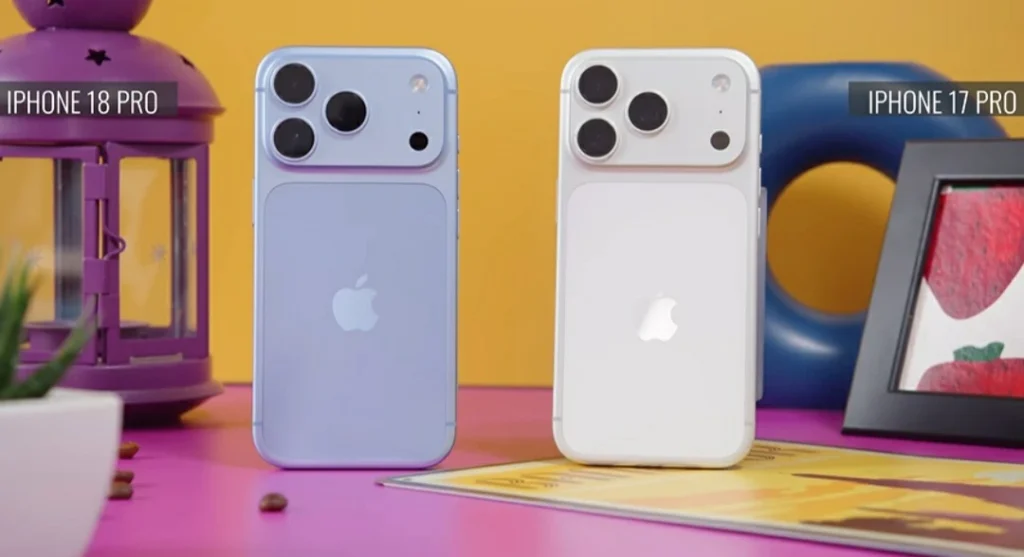
The iPhone 18 Pro is an evolutionary upgrade over the iPhone 17 Pro, but several of its improvements are more meaningful than they might initially appear.
The previous generation introduced a substantial redesign, including a thicker chassis, improved battery capacity, a redesigned metal construction and a more prominent camera platform.
It also brought important display improvements, including a maximum brightness of 3,000 nits, PWM dimming and an anti-reflective coating.
The iPhone 18 Pro builds on that foundation with a different set of priorities.
The most important changes include the following:
| Feature | iPhone 18 Pro Improvement |
|---|---|
| Processor | New 2nm A20 Pro chip |
| Camera | Variable aperture on the primary camera |
| Main camera aperture | Adjustable from f/1.48 to f/4 |
| Camera software | More professional manual controls |
| Cooling | Vapor chamber with approximately three times the surface area |
| Neural Engine | Doubled processing capability |
| Battery life | Improved endurance through greater efficiency |
| Wired charging | Faster charging, reaching approximately 45W in testing |
| Modem | New C2 modem |
| Dynamic Island | Slightly smaller cutout |
| Colours | Burgundy, Glacier Blue and Matte Black |
The most important difference is that the iPhone 18 Pro focuses on internal improvements rather than introducing another major physical redesign.
The A20 Pro provides a stronger combination of performance and efficiency, while the improved cooling system makes the phone better suited to sustained workloads.
The variable aperture also introduces a new photography feature that was not available on the previous generation.
However, users who already own the iPhone 17 Pro may not find enough changes here to justify upgrading immediately.
The previous model already introduced several important improvements, and the iPhone 18 Pro continues to refine them rather than replacing them with an entirely different experience.
Is the iPhone 18 Pro Worth Buying?
The iPhone 18 Pro is a premium smartphone designed for people who want Apple’s most capable conventional flagship experience.
Its improvements are particularly relevant to users who prioritise battery life, processing performance, photography and video production.
The A20 Pro is arguably the most important upgrade because it improves both processing capability and energy efficiency. This combination benefits everyday activities while also making demanding workloads more manageable.
The improved cooling system is another advantage for people who play demanding games, edit videos or record high-resolution footage for extended periods.
Photography enthusiasts also have more reasons to consider this generation, especially with the variable aperture and expanded manual camera controls.
However, the value proposition becomes less straightforward when considering the previous generation.
The iPhone 17 Pro already offers a powerful processor, an advanced camera system, a premium display and excellent battery performance. Consequently, the iPhone 18 Pro is not an essential upgrade for every existing owner.
Its high price is another important consideration. The Pro lineup occupies Apple’s premium smartphone segment, and the additional capabilities come at a considerable cost.
For people who primarily use their smartphones for messaging, social media, web browsing and ordinary photography, a less expensive iPhone may provide everything they need.
The iPhone 18 Pro makes more sense for people who want the additional performance, improved endurance and advanced camera controls.
Final Verdict
The iPhone 18 Pro is a good example of how meaningful smartphone improvements do not always require a completely new design.
At first glance, it may appear to be a relatively modest upgrade over the iPhone 17 Pro. The exterior remains familiar, the three-camera arrangement is largely unchanged, and Apple has not introduced a dramatic new feature that completely changes how people use the device.
However, looking beyond the familiar design reveals a considerably more capable smartphone.
The 2nm A20 Pro processor is the highlight, delivering improvements in processing power and energy efficiency simultaneously. The larger vapor chamber also gives the phone better thermal management, making it more suitable for demanding activities such as extended gaming and high-resolution video recording.
Battery life is another major strength. Getting approximately a day and a half of use from the smaller Pro model, with the possibility of stretching that to two days under lighter conditions, makes the iPhone 18 Pro considerably more attractive to people who do not want a large smartphone simply to obtain excellent endurance.
The camera system is also moving in an interesting direction. Although the variable aperture does not produce dramatically different results in every situation, it introduces useful creative controls and could become considerably more valuable as smartphone camera sensors continue to grow.
Apple’s decision to improve the native Camera application is equally welcome. Manual focus, shutter speed and white balance controls make the Pro models more useful for people who want greater control over their photographs and video recordings.
There are still limitations. The phone is expensive, the overall design is not substantially different, and the camera system could benefit from additional professional video features such as a Rec. 709 Log preview and 8K recording.
Nevertheless, the iPhone 18 Pro delivers improvements in several important areas without compromising the established strengths of the Pro lineup.
For anyone upgrading from a significantly older iPhone, it offers a compelling combination of performance, battery endurance, camera versatility and premium software features.
For existing iPhone 17 Pro owners, however, the decision is less straightforward. The improvements are worthwhile, but they may not be substantial enough to justify the expense of upgrading after only one generation.
Ultimately, the iPhone 18 Pro is not the most revolutionary iPhone Apple could have produced, but it is a well-rounded flagship that improves on an already strong foundation. Its greatest achievement is not introducing one spectacular new feature, but bringing together a faster processor, better efficiency, improved cooling, longer battery life and more capable photography controls into a more refined smartphone experience.
 Apple
 Samsung
 Xiaomi
 Google
 OnePlus
 Motorola
 Huawei
 Oppo
 Realme