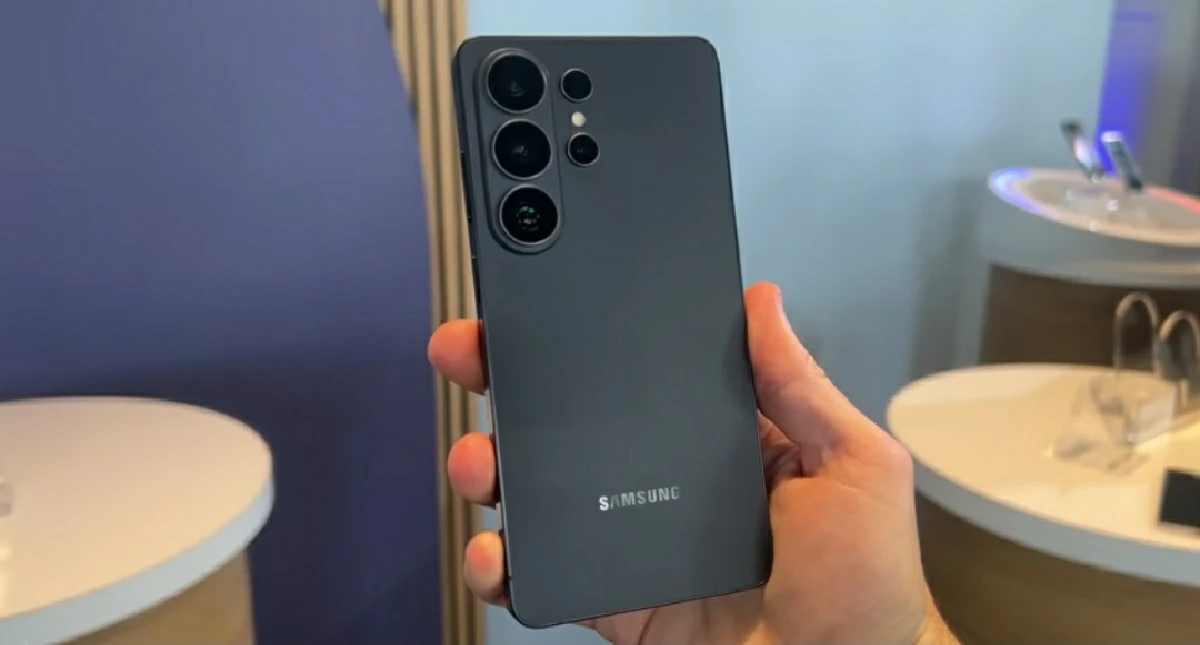
The Samsung Galaxy S26 Ultra brings a collection of meaningful improvements to Samsung’s premium smartphone lineup, with its new Privacy Display standing out as the biggest attraction. Alongside a powerful Snapdragon processor, versatile camera system and improved charging speeds, it delivers a premium experience with a few compromises.
However, with much of its hardware remaining familiar, is the Galaxy S26 Ultra a worthwhile upgrade, or does it offer too little over its predecessor?
Samsung Galaxy S26 Ultra at a Glance
| Specification | Details |
|---|---|
| Display | 6.9-inch Dynamic LTPO AMOLED 2X |
| Resolution | 1440 × 3120 pixels |
| Refresh Rate | 120Hz, adaptive 1–120Hz |
| Processor | Snapdragon 8 Elite Gen 5 for Galaxy |
| Operating System | Android 16, One UI 9 |
| Rear Cameras | 200MP + 10MP + 50MP + 50MP |
| Front Camera | 12MP |
| RAM | 12GB / 16GB |
| Storage | 256GB / 512GB / 1TB |
| Battery | 5,000mAh |
| Charging | 60W wired, 25W wireless |
| Connectivity | 5G, Wi-Fi 7, Bluetooth 6.0, NFC |
| Build | Gorilla Armor 2 front, Gorilla Glass Victus 2 back, aluminium frame |
| Protection | IP68 dust and water resistance |
| Weight | 214g |
| Thickness | 7.9mm |
| Price | Launch price of over $850 |
Design and Build Quality

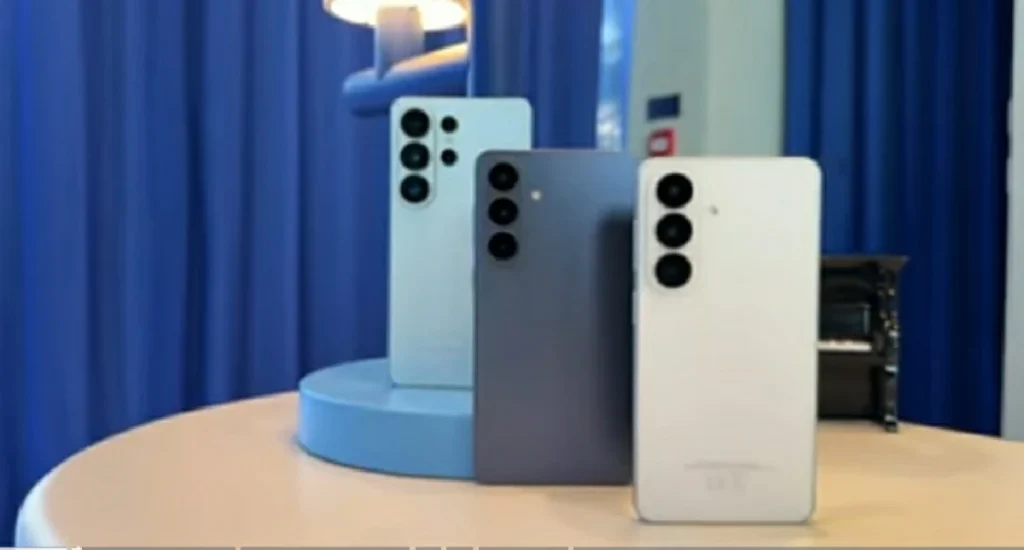
Samsung has made a few adjustments to the Galaxy S26 Ultra’s design, making it slightly thinner, lighter and more rounded than its predecessor. It measures 163.6 × 78.1 × 7.9mm and weighs 214g, giving you a large-screen flagship that is a little easier to handle.
The aluminium frame replaces the titanium construction of the previous generation, while Gorilla Armor 2 protects the front and Gorilla Glass Victus 2 covers the back. The phone also retains IP68 protection against dust and water.
However, the redesigned camera plateau is noticeably larger and causes the phone to rock when placed on a flat surface. The S Pen opening has also been redesigned, requiring a little more attention when reinserting the stylus.
The S Pen remains a useful addition, particularly if you enjoy taking notes, drawing or navigating your phone with greater precision. However, the absence of Bluetooth functionality means some of the remote-control features associated with older S Pen models are still unavailable.
Overall, the Galaxy S26 Ultra maintains a premium appearance, although its design changes are relatively modest.
Display: Privacy Display Steals the Show
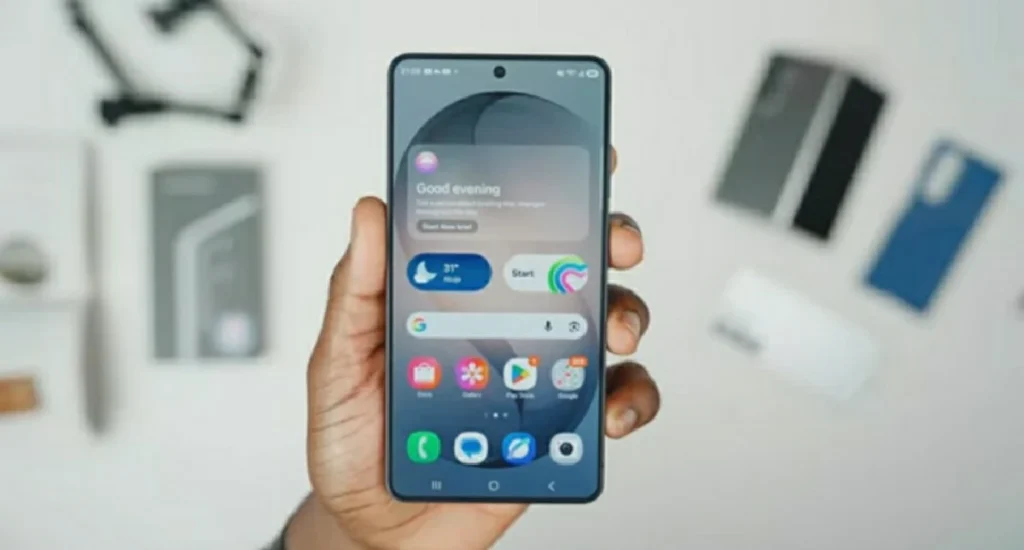
The Galaxy S26 Ultra features a 6.9-inch Dynamic LTPO AMOLED 2X display with a sharp 1440 × 3120 resolution, approximately 500ppi pixel density and an adaptive 1Hz–120Hz refresh rate.
You get vibrant colours, deep blacks, smooth scrolling and excellent clarity for watching videos, browsing, gaming and everyday activities. HDR10+ support and peak brightness of up to 2,600 nits also contribute to a premium viewing experience.
However, the biggest display innovation is Samsung’s new Privacy Display.

This feature restricts screen visibility from people viewing your phone at an angle, helping protect sensitive information when you are reading messages, accessing private applications or checking notifications around other people. You can also activate it for selected applications and notifications rather than keeping it enabled all the time.
It is a genuinely useful addition, especially if you frequently use your phone in public spaces.
There is a compromise, though. Activating Privacy Display reduces effective screen resolution and peak brightness, affecting the overall viewing experience. The anti-reflective performance is also not quite as impressive as on the previous generation.
Nevertheless, the display remains one of the phone’s strongest features, and Privacy Display gives Samsung something genuinely different from competing flagship smartphones.
Performance and Software
Powering the Galaxy S26 Ultra is Qualcomm’s Snapdragon 8 Elite Gen 5 for Galaxy, a 3nm processor designed to deliver substantial improvements in performance and efficiency.
With an octa-core CPU and Adreno 840 GPU, the phone offers excellent processing capabilities for demanding applications, multitasking, gaming and intensive workloads. Generational CPU improvements of approximately 20–30% also make it a meaningful performance upgrade.
Samsung has redesigned the vapour chamber to improve heat management, helping the device maintain performance during demanding tasks.
Memory configurations include 12GB and 16GB of RAM, paired with 256GB, 512GB or 1TB of internal storage. Unfortunately, there is no microSD card slot, so you will need to choose your preferred storage capacity carefully.
On the software side, the phone runs Android 16 with Samsung’s One UI 9 interface and supports up to seven major Android operating system upgrades.
Galaxy AI also receives additional features, including Call Screening, Audio Eraser and Photo Assist. These tools can help you manage calls, improve recordings and make adjustments to photographs.
While some of these features are genuinely useful, not every AI addition feels essential. The overall software experience is more convincing than the idea of upgrading simply for the new AI tools.
Camera: Familiar Hardware With Better Light Gathering
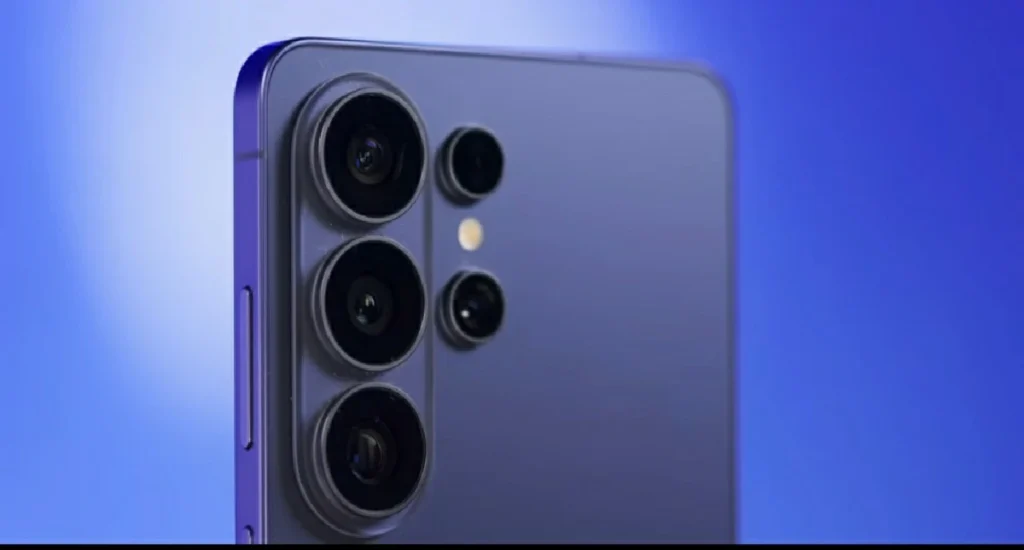
Samsung retains a familiar camera arrangement on the Galaxy S26 Ultra, but improvements to the main and 5x telephoto cameras make the system more capable in certain situations.
The rear camera setup consists of:
- 200MP main camera with f/1.4 aperture and optical image stabilisation.
- 10MP telephoto camera with 3x optical zoom.
- 50MP periscope telephoto camera with 5x optical zoom.
- 50MP ultrawide camera with a 120-degree field of view.
The 200MP main camera benefits from a wider aperture, allowing more light to reach the sensor. This helps with low-light photography and can produce a softer background blur when capturing subjects.
The 50MP periscope telephoto camera also receives a wider aperture, improving its light-gathering capabilities while maintaining 5x optical zoom.
However, the 10MP 3x telephoto camera remains largely unchanged, meaning the overall camera system is more of an improvement than a complete redesign.
For video recording, Samsung introduces APV Log support and Horizon Lock stabilisation. These additions make the phone more interesting if you enjoy recording videos or creating content directly from your smartphone.
You can record up to 8K at 30fps, 4K at 120fps and Full HD at up to 240fps. The phone also supports 10-bit HDR recording, HDR10+ and gyro-based electronic stabilisation.
The 12MP front camera supports 4K video recording at up to 60fps, making it suitable for selfies, video calls and content creation.
Overall, the Galaxy S26 Ultra offers a versatile camera system with useful improvements, although the familiar hardware means you should not expect a completely different photography experience.
Battery Life and Charging
Samsung keeps the same 5,000mAh battery capacity found in its predecessor. While this is a reasonable capacity for a premium flagship, it is disappointing that Samsung has not introduced a larger battery.
Fortunately, the improved processor efficiency and thermal management help deliver slightly better battery endurance.
Charging has also received an upgrade, with wired charging increasing to 60W. Samsung claims the phone can reach approximately 75% charge in 30 minutes under suitable conditions.
Wireless charging is rated at 25W, with 4.5W reverse wireless charging also available.
Although these improvements are welcome, Samsung still has room to do better. The battery capacity remains unchanged, and charging speeds are not particularly impressive compared with some competing flagship devices.
Nevertheless, you get a dependable battery setup with improved wired charging and useful wireless charging support.
Connectivity and Additional Features
The Galaxy S26 Ultra comes with a comprehensive selection of connectivity options, including 5G, Wi-Fi 7, Bluetooth 6.0, NFC and Ultra Wideband support.
It also features an ultrasonic in-display fingerprint sensor, stereo speakers, USB Type-C 3.2 with DisplayPort 1.2 support and Samsung DeX.
Samsung DeX allows you to connect the phone to a compatible display and enjoy a desktop-like experience, making it useful if you want to do more than ordinary smartphone tasks.
The absence of a 3.5mm headphone jack and expandable storage may disappoint some people, but these omissions are common among premium smartphones.
Price and Availability

The Samsung Galaxy S26 Ultra was announced on February 25, 2026, and officially released on March 6, 2026. It is available in multiple storage configurations, including 256GB, 512GB and 1TB options.
With a launch price of over $850, the Galaxy S26 Ultra sits firmly in the premium smartphone category.
Its pricing reflects the powerful processor, advanced display technology, versatile camera system and additional productivity features. However, the relatively conservative hardware upgrades make its overall value less convincing, particularly if you already own the previous generation.
Samsung Galaxy S26 Ultra Pros and Cons
Pros
- Innovative Privacy Display for improved screen privacy.
- Powerful Snapdragon 8 Elite Gen 5 for Galaxy processor.
- Excellent 6.9-inch QHD+ AMOLED display with a 120Hz refresh rate.
- Versatile 200MP quad-camera system with improved light gathering.
- Advanced video features, including APV Log and Horizon Lock.
- S Pen support, Samsung DeX and up to seven major Android upgrades.
Cons
- Battery capacity remains unchanged at 5,000mAh.
- Privacy Display compromises brightness and effective resolution when activated.
- Limited hardware improvements over the previous generation.
Verdict: Should You Buy the Samsung Galaxy S26 Ultra?
The Samsung Galaxy S26 Ultra is an excellent premium smartphone that delivers impressive performance, a beautiful display, versatile cameras and a collection of useful productivity features.
Its Privacy Display is undoubtedly the biggest highlight, introducing a practical way to protect what appears on your screen without relying on an external privacy screen protector. The improved processor, wider camera apertures, enhanced video recording features and faster wired charging also make the device more appealing.
However, not every improvement is equally impressive. The unchanged 5,000mAh battery, familiar camera arrangement and relatively conservative hardware upgrades make the Galaxy S26 Ultra feel more like a refined version of its predecessor than a major generational leap.
If you are upgrading from an older Galaxy flagship, the S26 Ultra offers plenty to appreciate. Its powerful hardware, S Pen, advanced camera capabilities and long-term software support make it a compelling choice.
However, if you already own the Galaxy S25 Ultra, the improvements may not be substantial enough to justify spending money on another flagship so soon.
Ultimately, the Samsung Galaxy S26 Ultra is a powerful and well-rounded smartphone with an interesting new privacy feature. It is an excellent choice if you want Samsung’s latest flagship experience, but its relatively modest upgrades make it a difficult recommendation for existing S25 Ultra owners.